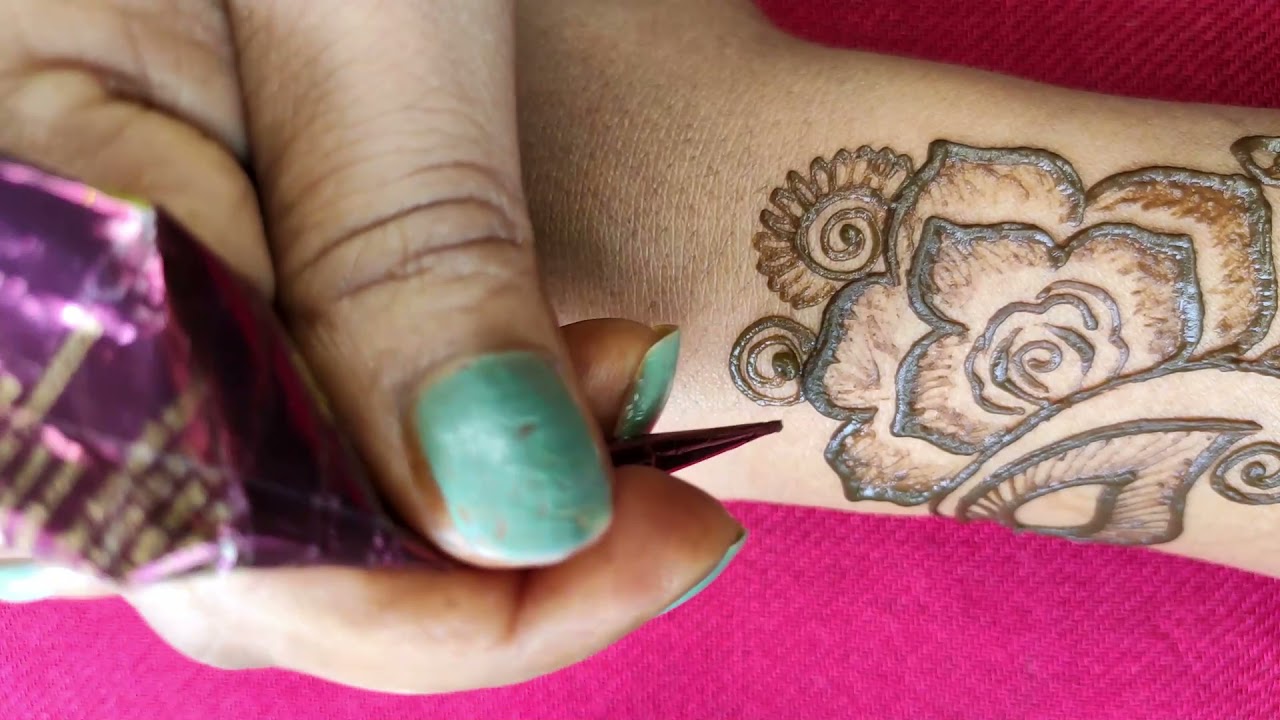
Mehndi is a classic form of body art that is temporary and skin decoration, usually painted on the lower limbs or hands. The decorative designs are created on the body with an oil, which is typically made from the dry leaves from the Mehndi plant (Scienceamia inermis) applied with a brush. The word " Mehndi" is believed to have first appeared as a part of the Arabic language book "Nusayni Al-Arab". The term Mehndi originates in two Arabic words, which mean "henna", and "design". Mehndi designs range from simple patterns, to intricate, colorful designs. Mehndi can be used create a long-term or short-term effect on any part that is part of your body. These types of designs can also be used to express feelings of faith.
There are a lot of images of Mehndi designs that are available on the Internet and Mehndi artists are creating images that they can use on their websites and within their regular work. Many Mehndi artists employ Mehndi to communicate their culture beliefs, by using this art method to draw or draw religious figures, or to create abstract designs for the non-religious or religiously-minded. Mehndi artists typically draw religious characters, like The Virgin Mary, Jesus, or Allah. Their artworks may also feature animals or cartoons.
The concept of Mehndi has been around for hundreds of years. Mehndi designs were used by Arab, Persian, and European cultures to apply ointments to wounds or treat ailments on their bodies. Mehndi tattoos aren't only intended for use on the human body. Certain Mehndi artists may use Mehndi or tribal designs to decorate the body of pets. Animal forms are very popular, including the peacock, alligator elephant, horse, snake donkey, cow dolphin, horse as well as dragonflies, penguins, and penguins.
Mehndi, a type of Mehndi, is usually applied as a dye in Black henna oils. This dye is generally a variant of the traditional henna that is used to color hair. Black Mehndi is most commonly used to create Mehndi tattoo designs. Other Mehndi designs incorporate vibrant mehndi designs that combine different colors of Mehndi oil in one. They may also have intricate mehndi designs that blend several shades of Mehndi oil into one.
There are numerous variations on Mehndi designs. One of the most popular is to paint a thin, colored circle with Mehndi. The result is a stunning, intricate design that radiates in hue from every angle and each part that is a Mehndi circle. Another variant of Mehndi design involves spreading Mehndi evenly across a large area, or embedding it into the form of a foil like gold.
It is very important to use a steady hand to apply Mehndi. Mehndi is extremely thick and requires a prolonged time period to applied and allowed to dry. Applying Mehndi can be messy, especially when there are numerous shades of Mehndi available. Therefore, one must be patient when applying the Mehndi. It's not difficult to apply mehndi. After many applications, you will be able to see how the patterns are getting more intricate and vivid in shade.
Mehndi designs are usually applied using soft, clean fingers. Application of Mehndi on the hands is usually more effective when the application starts with the bottom of the thumb. After the Mehndi has been uniformly spread all the way up the thumb, it is essential Simple Arabic Henna Design to let the designs dry. Certain bridal mehndi designs will require that the bride's hands be kept near the edge of the fabric as she gently scrubs off the remaining Mehndi from the fabric.
When all Mehndi has been taken away from the bridal reception guests are free to take a bite of Mehndi ornamented with sparkling stones and pearls. Bridesmaids can also bring tiny pieces of Mehndi to enhance the sparkle and depth of their dresses. Beautiful bridesmaids deserve beautiful gifts! Bridesmaids can add these easy, yet personal pieces of Mehndi embellishments as gifts for their female friends and attendants. Making this kind of customized bridal jewelry for guests at your wedding will make them feel special , and consequently highly appreciated for their kindness and support throughout the wedding planning process.